Themba Nyathi: The world of people potential
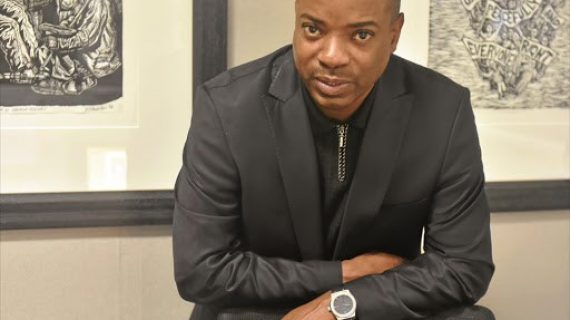
To spend time with Themba Nyathi, HR Executive of MTN SA, is to enter the world of people potential and, by extension, the dynamics of organisational excellence. Both Nyathi and MTN are inspiring examples of what can be achieved in our beautiful and stressful country. Nyathi is driven by values that strive towards excellence. We will focus on some of the key principles discussed in our leadership conversation and research we did about him and his company.
Nyathi is a classic example of the imperative of a positive attitude in achieving success in life. He possessed a youthful conviction that: “We can change; we can change our country and how we want it to be”. This attitude has driven him since those early years of his youth in a remote and poor part of the country. Despite obstacles that stop many in their tracks, he achieved his goal of reaching university and obtained a BA degree major (Law) from Wits University, and later a MBA with the Business School of the Netherlands.
He is adamant that he climbed the corporate ladder on merit, starting at Absa when there were very few black faces around. His attitude and belief in a personal vision of ‘we can’ allowed him to develop into a dynamic leader of people development, showing what can be achieved despite great odds. Some of the principles he lives by: “Each person has innate qualities that can be developed; we create obstacles in our mind; a positive outlook will overcome obstacles; if you exemplify negative feelings, you will tend to attract negative experiences; A positive attitude tends to concentrate physical and mental energies in a positive direction”.
Negative entitlement
Nyathi expressed a concern about the harm that a spirit of entitlement is causing to our country. He believes this is an attitude that blocks a person’s growth and development. For clarity sake, we need to define what Nyathi and many other top performers mean when expressing concern about entitlement. Obviously there are crucial entitlements that every South African should claim, and those are the foundation of a just and democratic society. These entitlements (rights) are enshrined in our constitution – freedom of speech, religion, safety, etc, and of course with these rights come responsibility. When we speak of the spirit of entitlement being a serious obstacle to growth and people development, we may term this ‘negative entitlement’.
Nyathi referred to certain countries in the East where their work ethic has enabled them to build great economies in spite of their limited supplies of natural resources. We can do the same in our country. However, a spirit of negative entitlement is contrary to a work and performance ethic and such an attitude easily evolves into an attitude of ‘the world owes me’, which in turn becomes a serious obstacle to growth and excellence.
Perhaps our political leaders (most political parties!) have helped to build a culture of entitlement and one of the results of this is increasing resistance to slow service delivery. This may be an emotional issue to many people with different opinions of what constitutes entitlement rights. Many years of research interviews and practical experience tells us that our attitude is a crucial element of all performance by individuals as well as organisations. A negative entitlement spirit breeds a negative attitude and a host of other ills such as anger, racism (both sides of the divide), cronyism, corruption (take what you want attitude), contention, negative values and even cruelty in many instances. It also inhibits people from improving their skills and knowledge levels. How many in our country wait every week for our national lottery to solve all their problems?
Ask yourself if you have a negative entitlement attitude and whether this detracts from your achievement and happiness.
A full cup
Nyathi speaks of the human resource objectives of improving skills, knowledge and attitudes. He believes that people development is not just about upward mobility in terms of income and position but about ‘filling the cup’ of the employee so that all needs are met.
Our experience is that the basic needs of people centre on a sense of belonging and possession, and this does not mean just physical belonging and possession. Such needs are often not recognised by those who are predominantly interested in short term profit goals. It is often not even recognised by the employee himself who may be influenced by a societal misconception that happiness is solely about upward ‘fat cat’ mobility. Nyathi and MTN’s approach to people development is stimulating and encouraging and it seems to be strongly, authentically and accurately linked to company strategy, which so many HR divisions struggle to do. No wonder they often walk away with prominent awards, including the Corporate Research Foundation ‘number one empowered best employer’ in South Africa in the 2011/2012 survey.
Leadership development
Our passion at Leadership Platform is leadership. We agree with Adrian Gore when he says about many illnesses in SA that ‘our antidote is good leadership’. At MTN they invest considerable resources and effort into building good leadership, including promotion of a graduate programme for promising individuals who are selected in terms of skills, knowledge and attitude. Nyathi believes the greatest obstacle to leader development is a lack of experiential exposure; that leaders only really develop when they are thrown into the river and allowed to swim. At MTN they select leaders with potential and then place them in different positions where they believe they most want to work, for a period of months. This is not all that easy to implement because it may lead to costly mistakes yet it needs to occur if we want to build leaders.
This experiential learning approach has resulted in startling observations. About 60% of leaders who were placed in positions that they thought they wanted found that they were unhappy and unsuited for those positions. It may mean that many leaders don’t really know themselves, which means corporates should focus on models and methods to help people better understand their own desires, talents, weaknesses and strengths, along with better understanding of career choices.
Of MTN its MD Karel Pienaar said: “It is probably the company that is most representative of the Geographic’s of South Africa. It is a best kept secret of a South African miracle”. The conversation with Nyathi confirmed this. Their commitment to make a difference beyond company boundaries by way of many programmes not even mentioned here is proof of this. MTN is a key player in guiding our country towards a culture of excellence.
10 November 2011 : By Louis Groenewald